Author Archives: Peter Sweeney

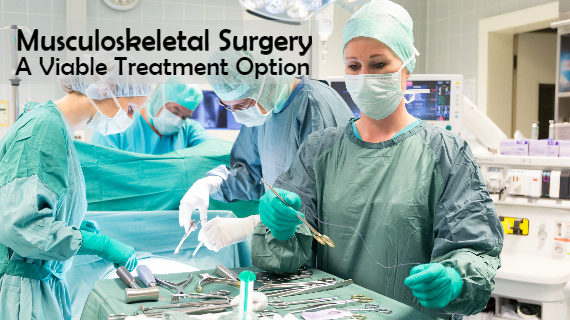
Musculoskeletal Surgery: A Viable Treatment Option

Surgical procedures are used to manage, improve and treat a variety of health conditions or diseases. Surgical treatment of congenital and acquired disorders, as well as injuries of the musculoskeletal system is categorically referred to as Musculoskeletal Surgery.

“Read More”


Bespoke Footwear in London – What You Need To Know

Not everyone has tried bespoke footwear but we all know what it is; shoes that are custom made to suit an individuals feet. Bespoke footwear is very common in London and there are many specialist shoemakers who offer this service. This involves the separate measurement of both feet,

“Read More”


A Look at The Different Types of Knee Arthritis Surgery

The knee is one of the most important components of our lower limbs, as it allows us to effectively move our legs when we walk. Without a healthily functioning knee we are not able to walk or run in a normal way. However, as we grow old our knees tend to experience a lot of wear and tear, making them weak and less effective.

“Read More”


Shoulder Joint Issues & Medical Solutions to Rectify Them

The shoulder joint plays a critical role in the movement of our hands and allows us to move our hands overhead on a frequent basis. However, it is this mobility that also makes the area vulnerable to different types of sudden traumatic experiences. Such injuries can eventually lead to conditions like arthritis, fractures, bursitis, and stiffness associated with the rotator cuff tendon. These injuries can cause tenderness, pain, instability, and weakness, as well as limit the movement of the shoulder joint.

“Read More”


Gait Analysis: All You Need To Know

A Gait analysis is one of the various tests performed by specialists to assess the biomechanics and unique movements of each individual. A Gait Analysis is used to determine three things: the COP line when walking, gait cycle analysis, and frame analysis. This information is very critical

“Read More”


Elbow Surgery for a Broken Elbow

Quite often elbow surgery is the best option for repairing a broken elbow. This is even truer for compound or open elbow injuries. An open elbow injury is one where one or more bones in the elbow region have pierced through the skin. In such a case a surgeon needs to put the bone back in place, as well as cleaned in a thorough manner so that there is no chance of any infection. Surgery is also needed for elbow injuries where blood vessels and nerves are damaged. Orthopedic specialists perform these operations, after a discussion with the patient regarding the treatment options.

Types of elbow surgery:

There are different kinds of elbow surgeries available, some are listed below:

  • Cubital tunnel surgery or ulnar nerve transposition
  • Tennis elbow surgery
  • Distal biceps tendon surgery
  • Tommy John surgery or ulnar collateral ligament repair

The Elbow is complex structure that is mechanical in nature. However, if your muscles are weak and if you tend to use them a lot then it can lead to a number of issues. When symptoms are severe or persistent you might need surgery.

Cubital tunnel surgery or ulnar nerve transposition:

The ulnar nerve happens to be one of the most important nerves in your arm. It can get compressed if stress is applied to the area on a frequent basis. If a condition is serious enough to require surgery an orthopaedic surgeon will offer a few options depending on the requirements of that particular case. This will typically include the following – cubital tunnel release, medial epicondylectomy, and ulnar nerve anterior transposition.

Cubital tunnel release is used to rectify mild to moderate nerve compression. The ligament roof is divided so that the nerve can have more room. The ligament heals while new tissue grows in the surgically operated area.

In case of ulnar nerve anterior transposition the nerve is moved before the medial epicondyle bone in the elbow. The nerve will now rest over the muscle but it would be under the layers of skin and fat in your body.

A medial epicondylectomy involves the partial removal of the medial epicondyle in order to make sure that there is sufficient space for your nerve.

Distal biceps tendon surgery:

The distal biceps tendon is located in your arms and attaches to your elbows. It is one of the two tendons that support your bicep and a sudden injury can tear it. In such cases distal biceps tendon surgeries are recommended. The procedure could involve a number of steps, including a single incision, multiple incisions, suture anchors, and rehabilitation.

Tennis Elbow surgery:

Tennis elbow surgery involves the following procedures:

  • Open surgery
  • Arthroscopic surgery
  • Recovery

Tommy John surgery:

The following steps are a part of Tommy John Surgery:

  • Surgery
  • First phase of rehabilitation
  • Second phase of rehabilitation
  • Third phase of rehabilitation

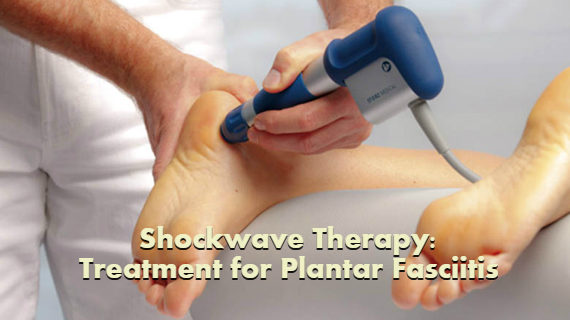
Shockwave Therapy: Treatment for Plantar Fasciitis

Plantar fasciitis is the most common reason for heel pain. In fact, it is said that the pain that you experience in your heels in the morning when you take the first step occurs because of this particular condition. The pain resulting from this condition can be severe enough for you to be limping or to require support when you take the first few steps during the morning.

“Read More”


Effective Measures Used for Pinched Nerve Treatment

Pinched nerve or compressed nerve is a condition that can cause pain in different parts of the body unless it is treated in time. Nerves extend through all parts of the body from the brain and the spinal cord. These nerves send vital messages all over the body and help in carrying out different crucial functions. A person who has got a pinched nerve might experience pains. The damages caused by pinched nerves may be severe or minor and may lead to long-lasting or temporary problems. An early diagnosis along with effective treatment is the best way to handle nerve compression. In certain cases, the damage caused by a pinched nerve cannot be reversed. However, proper treatment can relieve the pain as well as other symptoms of discomfort.

A pinched nerve takes place when there is improper pressure or compression on a nerve. This pressure can be caused by repetitive motions or by holding the body part in a particular position for longer durations of time, like keeping the elbows bent or under pressure while sleeping. Nerves have a little soft tissue covering for protection, although they are vulnerable when they need to move through the narrow spaces. Nerve compression occurs frequently when they are pressed between the tissues like in ligaments, tendons and bones.

Pinched Nerve Treatment:

One of the most frequently used methods for pinched nerve treatment is total rest for an affected area. A doctor may recommend that the patient temporarily halt any kind of activities that may aggravate the compression.
Sometimes the patient may also be asked to use a brace or splint to immobilize the affected area, although this mainly depends on the area that has been affected. If the patient has got carpal tunnel syndrome, the doctor may recommend using a splint both during the day and night as the wrists tend to extend and flex frequently while sleeping.

Physical Therapy:

Physical therapy forms a very important part of pinched nerve treatment. A professional physical therapist can educate the patient about exercises that help to stretch and strengthen the muscles within an affected area for relieving pressure on the affected nerve. The physical therapist may also recommend certain modifications to regular activities that may aggravate the nerve.

Medications:

If pain does not go away through physical therapy, the doctor may recommend using certain medications like non-steroidal anti-inflammatory drugs or NSAIDs to treat the pains. Some of the NSAIDs that can be used for this purpose include ibuprofen and naproxen sodium.

Corticosteroid injections, administered by injection or by mouth can help to minimize the pains and inflammations.

Surgery:

If conservative treatments are not able to improve the pinched nerve even after several weeks of trying, then the doctor may opt for surgery to take the pressure off the affected nerve. The kind of surgical procedure that is to be used depends on the specific location of pinched nerve.

Surgery may involve removing portions of herniated disk within the spine or bone spurs or cutting the carpal ligament for allowing greater space for a nerve to pass easily through the wrist.


A Look at The Medical Contribution Offered by Hand Specialists

The hand is one of the most important parts of the body since it is with our hands that we do all of our work on a regular basis. The hands are made up of multiple bones, joints, tendons, ligaments, muscles, skin, nerves and blood vessels. To ensure that the hands are functioning properly, all of these constituent parts must work properly. All of these parts share a refined and delicate relationship with each other. However, a disease or an injury can seriously affect the component structures or parts of the hand and make it difficult for the person to use his or her hand as smoothly as before.

Hand doctors or hand surgeons, as they are called, first came into existence during the World War II. The original intention was to treat war injuries that affected the hands, as well as the upper extremities. Dr. Sterling Bunnell who was a consultant for United States Army came up with the basic principles and concepts associated with hand surgery. Over the years, this became a separate field of specialization in itself. Now there are many hand specialists all over the world who treat their patients for different types of conditions and ailments that affect the hands.

In order to become a professional hand specialist in London, a doctor has to go through additional specialized training that would help him/her to treat different types of hand problems. Professional hand specialists can combine their specialty training in plastic surgery, orthopedic surgery and general surgery with their knowledge of hand physiology to treat different conditions that affect the hands. There are a lot of hand specialists who are also adept at treating problems that affect the arm, elbow, and shoulder areas. Hand specialists may also just attend to adult patients or children or both. Some of the common problems that are treated by hand specialists include the following:

  • Wrist pain
  • Tennis elbow
  • Trigger finger
  • Carpal tunnel syndrome
  • Sports injuries affecting the wrist and hand
  • Fractures of the wrist, hand and the forearm

Other hand-related problems that can be treated by these doctors include tendon and nerve injuries, arthritis, as well as congenital limb differences or birth defects affecting the hands. While many hand problems are needed to be treated with surgery, there are also those that can be treated easily with splints, therapy, medication and injections. Professional hand specialists or surgeons tend to work with people coming from all segments of society. These include professional athletes, weekend athletes, artists and musicians, surgeons, laborers, clerical workers, students and even housewives. Many times a person may experience hand problems as a side effect to some other ailment or medication. In such cases, specialized treatment is offered to these individuals with the aim of normalizing the use of their hands.

Hand specialists now form an integral part of any medical team and their contribution greatly helps to attend to diverse issues that affect this specific part of the body.


Different Medical Methods Used For Back Pain Treatment

Back pains are generally not serious conditions but may indicate other health issues. Home remedies and regular medical attention can help to get rid of such pains. Below are some common methods that are used in back pain treatment.

“Read More”


Appointments & Enquiries

eyJpZCI6IjkiLCJsYWJlbCI6Im1ha2UtZm9ybTEiLCJhY3RpdmUiOiIxIiwib3JpZ2luYWxfaWQiOiIxIiwidW5pcXVlX2lkIjoid2VmajIiLCJwYXJhbXMiOnsiZW5hYmxlRm9yTWVtYmVyc2hpcCI6IjAiLCJ0cGwiOnsid2lkdGgiOiIxMDAiLCJ3aWR0aF9tZWFzdXJlIjoiJSIsImJnX3R5cGVfMCI6Im5vbmUiLCJiZ19pbWdfMCI6IiIsImJnX2NvbG9yXzAiOiIjODFkNzQyIiwiYmdfdHlwZV8xIjoiY29sb3IiLCJiZ19pbWdfMSI6IiIsImJnX2NvbG9yXzEiOiIjMzMzMzMzIiwiYmdfdHlwZV8yIjoiY29sb3IiLCJiZ19pbWdfMiI6IiIsImJnX2NvbG9yXzIiOiIjMzMzMzMzIiwiYmdfdHlwZV8zIjoiY29sb3IiLCJiZ19pbWdfMyI6IiIsImJnX2NvbG9yXzMiOiIjMzMzMzMzIiwiZmllbGRfZXJyb3JfaW52YWxpZCI6IiIsImZvcm1fc2VudF9tc2ciOiJUaGFuayB5b3UgZm9yIGNvbnRhY3RpbmcgdXMhIiwiZm9ybV9zZW50X21zZ19jb2xvciI6IiM0YWU4ZWEiLCJoaWRlX29uX3N1Ym1pdCI6IjEiLCJyZWRpcmVjdF9vbl9zdWJtaXQiOiIiLCJlbWFpbF9mb3JtX2RhdGFfYXNfdGJsIjoiMSIsInRlc3RfZW1haWwiOiJlbnF1aXJpZXNAbG9uZG9ubXNrY2VudHJlLmNvLnVrIiwic2F2ZV9jb250YWN0cyI6IjEiLCJleHBfZGVsaW0iOiI7IiwiZmJfY29udmVydF9iYXNlIjoiIiwiZmllbGRfd3JhcHBlciI6IjxkaXYgW2ZpZWxkX3NoZWxsX2NsYXNzZXNdIFtmaWVsZF9zaGVsbF9zdHlsZXNdPltmaWVsZF08XC9kaXY+In0sImZpZWxkcyI6W3siYnNfY2xhc3NfaWQiOiI2IiwibmFtZSI6ImZpcnN0X25hbWUiLCJsYWJlbCI6IiIsInBsYWNlaG9sZGVyIjoiRmlyc3QgTmFtZSIsInZhbHVlIjoiIiwiaHRtbCI6InRleHQiLCJtYW5kYXRvcnkiOiIxIiwibWluX3NpemUiOiIiLCJtYXhfc2l6ZSI6IiIsImFkZF9jbGFzc2VzIjoiIiwiYWRkX3N0eWxlcyI6IiIsImFkZF9hdHRyIjoiIiwidm5fb25seV9udW1iZXIiOiIwIiwidm5fb25seV9sZXR0ZXJzIjoiMCIsInZuX3BhdHRlcm4iOiIwIn0seyJic19jbGFzc19pZCI6IjYiLCJuYW1lIjoibGFzdF9uYW1lIiwibGFiZWwiOiIiLCJwbGFjZWhvbGRlciI6Ikxhc3QgTmFtZSIsInZhbHVlIjoiIiwiaHRtbCI6InRleHQiLCJtYW5kYXRvcnkiOiIwIiwibWluX3NpemUiOiIiLCJtYXhfc2l6ZSI6IiIsImFkZF9jbGFzc2VzIjoiIiwiYWRkX3N0eWxlcyI6IiIsImFkZF9hdHRyIjoiIiwidm5fb25seV9udW1iZXIiOiIwIiwidm5fb25seV9sZXR0ZXJzIjoiMCIsInZuX3BhdHRlcm4iOiIwIn0seyJic19jbGFzc19pZCI6IjYiLCJuYW1lIjoiZW1haWwiLCJsYWJlbCI6IiIsInBsYWNlaG9sZGVyIjoiRW1haWwiLCJ2YWx1ZSI6IiIsInZhbHVlX3ByZXNldCI6IiIsImh0bWwiOiJlbWFpbCIsIm1hbmRhdG9yeSI6IjEiLCJtaW5fc2l6ZSI6IiIsIm1heF9zaXplIjoiIiwiYWRkX2NsYXNzZXMiOiIiLCJhZGRfc3R5bGVzIjoiIiwiYWRkX2F0dHIiOiIiLCJ2bl9vbmx5X251bWJlciI6IjAiLCJ2bl9vbmx5X2xldHRlcnMiOiIwIiwidm5fcGF0dGVybiI6IjAifSx7ImJzX2NsYXNzX2lkIjoiNiIsIm5hbWUiOiJzdWJqZWN0IiwibGFiZWwiOiIiLCJwbGFjZWhvbGRlciI6IllvdXIgU3ViamVjdCIsInZhbHVlIjoiIiwidmFsdWVfcHJlc2V0IjoiIiwiaHRtbCI6InRleHQiLCJtYW5kYXRvcnkiOiIxIiwibWluX3NpemUiOiIiLCJtYXhfc2l6ZSI6IiIsImFkZF9jbGFzc2VzIjoiIiwiYWRkX3N0eWxlcyI6IiIsImFkZF9hdHRyIjoiIiwidm5fb25seV9udW1iZXIiOiIwIiwidm5fb25seV9sZXR0ZXJzIjoiMCIsInZuX3BhdHRlcm4iOiIifSx7ImJzX2NsYXNzX2lkIjoiMTIiLCJuYW1lIjoibWVzc2FnZSIsImxhYmVsIjoiIiwicGxhY2Vob2xkZXIiOiJNZXNzYWdlIiwidmFsdWUiOiIiLCJ2YWx1ZV9wcmVzZXQiOiIiLCJodG1sIjoidGV4dGFyZWEiLCJtYW5kYXRvcnkiOiIxIiwibWluX3NpemUiOiIiLCJtYXhfc2l6ZSI6IiIsImFkZF9jbGFzc2VzIjoiIiwiYWRkX3N0eWxlcyI6IiIsImFkZF9hdHRyIjoiIiwidm5fb25seV9udW1iZXIiOiIwIiwidm5fb25seV9sZXR0ZXJzIjoiMCIsInZuX3BhdHRlcm4iOiIwIiwidm5fZXF1YWwiOiIiLCJpY29uX2NsYXNzIjoiIiwiaWNvbl9zaXplIjoiIiwiaWNvbl9jb2xvciI6IiIsInRlcm1zIjoiIn0seyJic19jbGFzc19pZCI6IjEyIiwibmFtZSI6ImVucXVpcnkiLCJsYWJlbCI6IjxzcGFuIHN0eWxlPVwibWFyZ2luOiAwOyBwYWRkaW5nOiAwOyBmb250LXNpemU6IDEycHg7XCI+QnkgY2hlY2tpbmcgdGhpcyBib3ggeW91IGFncmVlIHRoYXQgdGhlIGluZm9ybWF0aW9uIHlvdSBwcm92aWRlIGluIHRoaXMgZm9ybSB3aWxsIGJlIHByb2Nlc3NlZCBpbiBhY2NvcmRhbmNlIHdpdGggb3VyIDxhIGhyZWY9XCJodHRwOlwvXC9tc2twaHA3LmxvY2FsXC9wcml2YWN5LXBvbGljeVwiIHN0eWxlPVwiY29sb3I6Ymx1ZTsgIGZvbnQtc2l6ZToxMnB4OyBkaXNwbGF5OiBpbmxpbmUtYmxvY2s7IHBhZGRpbmc6IDA7IG1hcmdpbjogMDtcIj5Qcml2YWN5IFBvbGljeTxcL2E+PFwvc3Bhbj4iLCJ2YWx1ZSI6IiIsInZhbHVlX3ByZXNldCI6IiIsImh0bWwiOiJjaGVja2JveCIsImRlZl9jaGVja2VkIjoiMCIsIm1hbmRhdG9yeSI6IjEiLCJhZGRfY2xhc3NlcyI6ImNmc0ZpZWxkU2hlbGwgY2ZzRmllbGRfY2hlY2tib3giLCJhZGRfc3R5bGVzIjoiIiwiYWRkX2F0dHIiOiIiLCJpY29uX2NsYXNzIjoiIiwiaWNvbl9zaXplIjoiIiwiaWNvbl9jb2xvciI6IiIsInRlcm1zIjoiIn0seyJic19jbGFzc19pZCI6IjEyIiwibmFtZSI6IlN1Ym1pdCIsImxhYmVsIjoiU3VibWl0IiwiaHRtbCI6InN1Ym1pdCIsImFkZF9jbGFzc2VzIjoiIiwiYWRkX3N0eWxlcyI6ImJhY2tncm91bmQ6ICM1ZTdiYWUgIWltcG9ydGFudDsgICBib3JkZXI6IDFweCBzb2xpZCAjNWU3YmFlICFpbXBvcnRhbnQ7ICAgY29sb3I6ICNmZmY7ICAgdGV4dC1hbGlnbjogY2VudGVyOyAgIHBhZGRpbmc6IDEwcHggNDBweDsgICBkaXNwbGF5OiBibG9jazsgICBvdXRsaW5lOiBub25lOyAgIGJvcmRlci1yYWRpdXM6IDJweDsgICB0ZXh0LXRyYW5zZm9ybTogdXBwZXJjYXNlOyAgIGZvbnQtZmFtaWx5OiAnUm9ib3RvJywgc2Fucy1zZXJpZjsiLCJhZGRfYXR0ciI6IiJ9XSwib3B0c19hdHRycyI6eyJiZ19udW1iZXIiOiI0In19LCJpbWdfcHJldmlldyI6ImJhc2UtY29udGFjdC5qcGciLCJ2aWV3cyI6IjE2NDM5OCIsInVuaXF1ZV92aWV3cyI6IjEwNjA0MCIsImFjdGlvbnMiOiIzNjkxIiwic29ydF9vcmRlciI6IjAiLCJpc19wcm8iOiIwIiwiYWJfaWQiOiIwIiwiZGF0ZV9jcmVhdGVkIjoiMjAxNi0wNS0wMyAxNjowMTowMyIsImltZ19wcmV2aWV3X3VybCI6Imh0dHBzOlwvXC9sb25kb25tc2tjZW50cmUuY28udWtcL3dwLWNvbnRlbnRcL3BsdWdpbnNcL2NvbnRhY3QtZm9ybS1ieS1zdXBzeXN0aWNcL2Fzc2V0c1wvZm9ybXNcL2ltZ1wvcHJldmlld1wvYmFzZS1jb250YWN0LmpwZyIsInZpZXdfaWQiOiI5XzU4NTIzMCIsInZpZXdfaHRtbF9pZCI6ImNzcEZvcm1TaGVsbF85XzU4NTIzMCIsImNvbm5lY3RfaGFzaCI6ImExYzE3ODE3YTVhNzAxMjFhZTdhZGIyMGNlNGFjZWNlIn0=

Our Partners

c-logo

The London Musculoskeletal Centre

Testimonials

Back on the dance floor

Mr Kaser Nazir was my second opinion foot specialist after not being happy with the "verdict on my future before". I had a plantar plate injury. For a full time professional dancer teacher this was devastating. After meeting Mr Nazir I felt instantly reassured and I knew this is all going to be good. He Continue Reading

Monika Molnar

<< Prev
Next >>

Recent Posts: London Musculoskeletal Centre | Orthopedic & Sports Medicine

Everything You Should Know About Athlete’s Foot Treatment

Everything You Should Know About Athlete’s Foot Treatment

Athlete’s foot is a type of fungal infection that usually occurs between the toes. In most cases, athlete’s foot is observed in people who tend to wear tight fitting shoes and their feet tend to become rather sweaty as a result.

Conservative Treatments for ACL Injuries

Conservative Treatments for ACL Injuries

ACL or Anterior cruciate ligament rupture is a common sports injury involving a sprain or tear. The ACL is a major ligament in the knee and injury occurs when you suddenly come to a stop or pivot to change the direction of your movement.